Architecture for life

Bustanaut

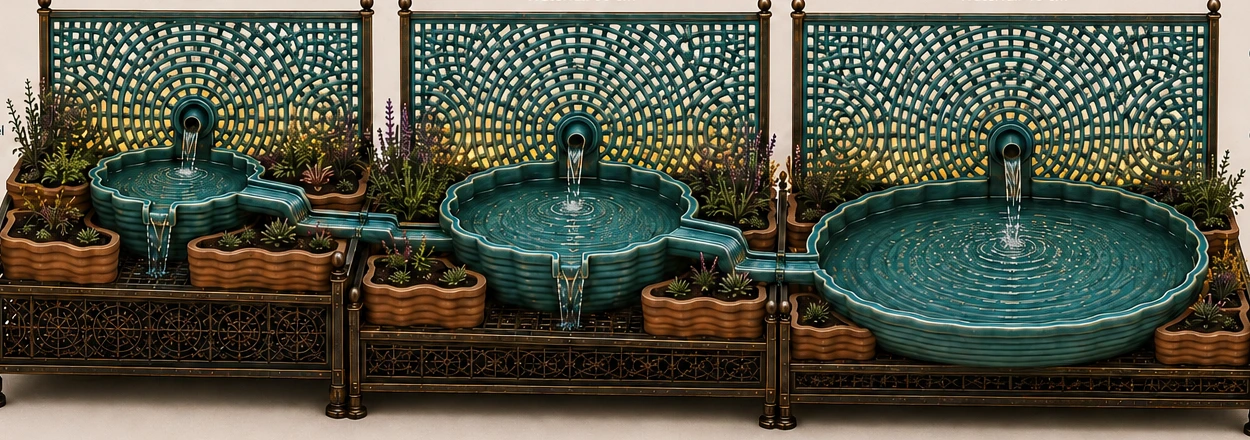
Bustanaut develops the idea of the bustan into a modular architectural system in which water, planting, shade, material and built structure are designed as parts of one environment.

Bustanaut modular water, planting and mashrabiya system
David Renov

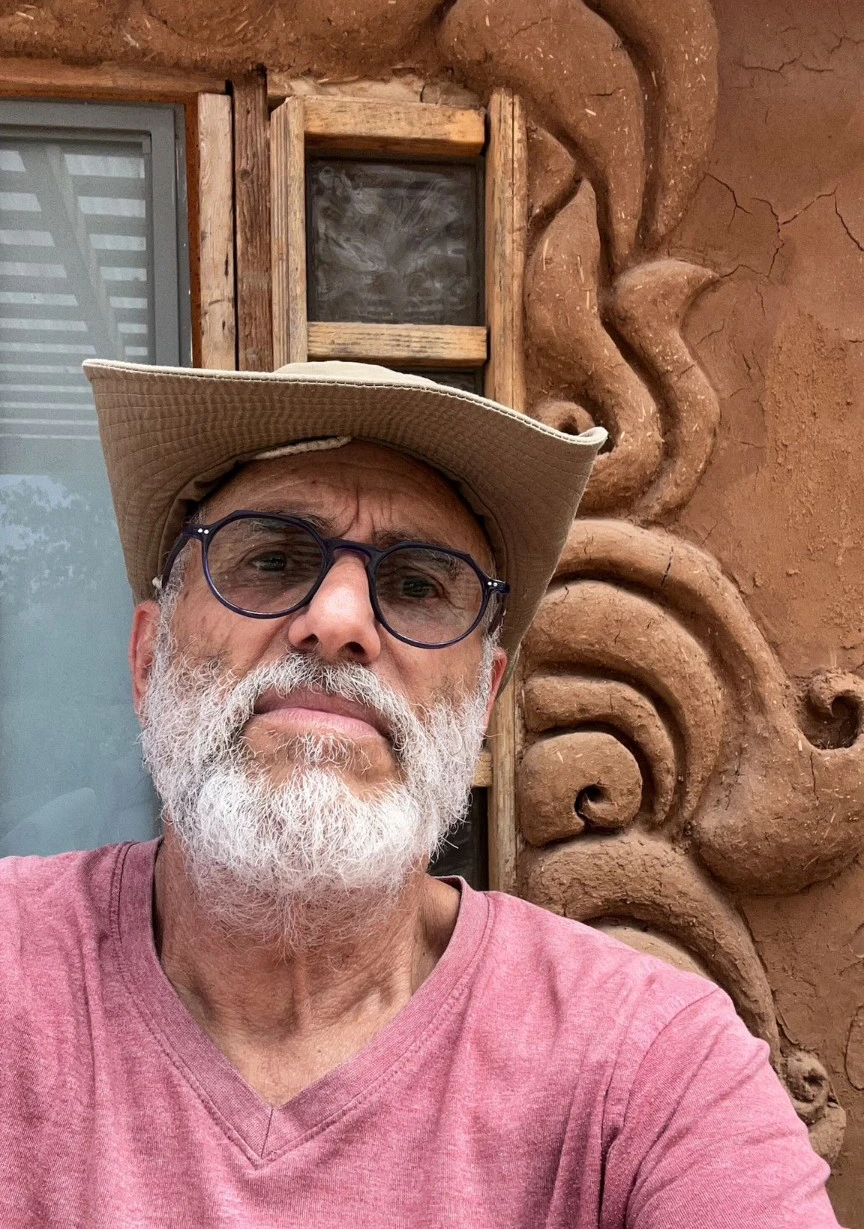
David Renov is an architect and urban planner whose work has focused for many years on ecological architecture, natural systems, local materials, and the relationship between people and place.

His professional path includes earth-based construction and self-sufficient ecological environments inspired by the Earthship approach, as well as ecological farms, educational spaces, and the Technion Ecological Garden in Haifa. His work treats architecture not as an isolated object, but as part of a broader system of climate, water, soil, vegetation, and human use.

David Renov, M.Sc., architect and urban planner, introduced to Israel the Earthship concept developed by architect Michael Reynolds in New Mexico. In many ways, David can be seen as “Israel’s Michael Reynolds” — someone who took the principles of Earthship design and permaculture and adapted them to local culture, materials, infrastructure, and the Middle Eastern climate. Over several decades of professional activity, he has designed and built dozens of ecological projects, farms, and environments, and has led hands-on workshops connecting architecture, earth, water, agriculture, and community.

A central achievement of his work is the Technion Ecological Garden in Haifa — a living environment for research, education, and experimentation in sustainable building. Today, David is leading a new stage in the site’s development: transforming the visitor center into a gallery and an active space for making, exhibitions, and workshops.

David heads Studio Bustanaut, which develops sustainable environments combining vegetation, water, shade, and natural materials. At the heart of his work and teaching is an understanding of materials and infrastructure — earth, water, drainage, electricity, and structure — and the ability to connect them into a single integrated system. Participants learn to observe, measure, document, and move from an idea and a sketch toward the creation of real, living, functional places — through both thought and hands-on work.

The idea behind Bustanaut grows from David Renov’s long-standing interpretation of the bustan — not simply as a garden, but as a physical and cultural framework in which people create a place within nature while preserving the ecological balance of the site.

In this approach, water, soil, vegetation, energy, built structure and human activity are understood as interconnected parts of one environment. Bustanaut develops this idea into a contemporary modular system for creating personal and shared spaces in which natural and architectural elements are designed to work together rather than being added separately.

Bustanaut is being developed as a modular system based on repeatable elements that can be combined into different configurations and scales.

Earlier development explored independent functional modules for lighting and communication, water storage, solar functions and terrace elements. The current development moves toward a more unified language combining structure, planting, water and mashrabiya elements — allowing the same basic components to create different spatial situations rather than one fixed object.

In Bustanaut, the mashrabiya is not treated only as an ornamental screen. It is an architectural element that can mediate light and shadow, airflow, privacy and the microclimate of a space.

Its geometry and layered construction are part of the system’s environmental logic: the panel can become a filter between the built environment and natural conditions, while remaining part of the modular identity of Bustanaut.

The ecological logic behind Bustanaut continues a broader approach visible throughout David Renov’s work: reducing environmental impact, using local and earth-based materials, working with natural climatic conditions, and integrating water, vegetation and building systems into the design itself.

His earlier work includes Earthship-related ecological construction, the Hava & Adam ecological farm in Modi’in, and the Technion Ecological Garden visitor centre, developed as a demonstration of ecological building methods. In Bustanaut, ecology is therefore not an additional feature, but part of the architectural system itself.